
Whoa, this caught me off guard. I was looking for a simple NFT tracker and found something deeper. It made me rethink how I check collections and individual mints. Initially I thought a block explorer was just a ledger view, but then realized user-friendly filters, alert hooks, and transaction views change how collectors act and how teams build drops on Solana. On one hand this seems obvious, though actually the depth surprised me in practice.
Seriously, I wasn’t expecting that level. Solscan’s NFT tracker surfaces wallet activity, royalties, and mint engagement quickly. You can follow a creator, watch for secondary sales, or inspect metadata changes. My instinct said this was just a convenience tool, but after mapping several collections and watching real-time bids I saw its role in discovery, research, and even in moderating scams when suspicious patterns emerged. Actually, wait—let me rephrase that: it’s both a convenience and a foundational research layer for anyone serious about Solana NFTs.
A practical pointer
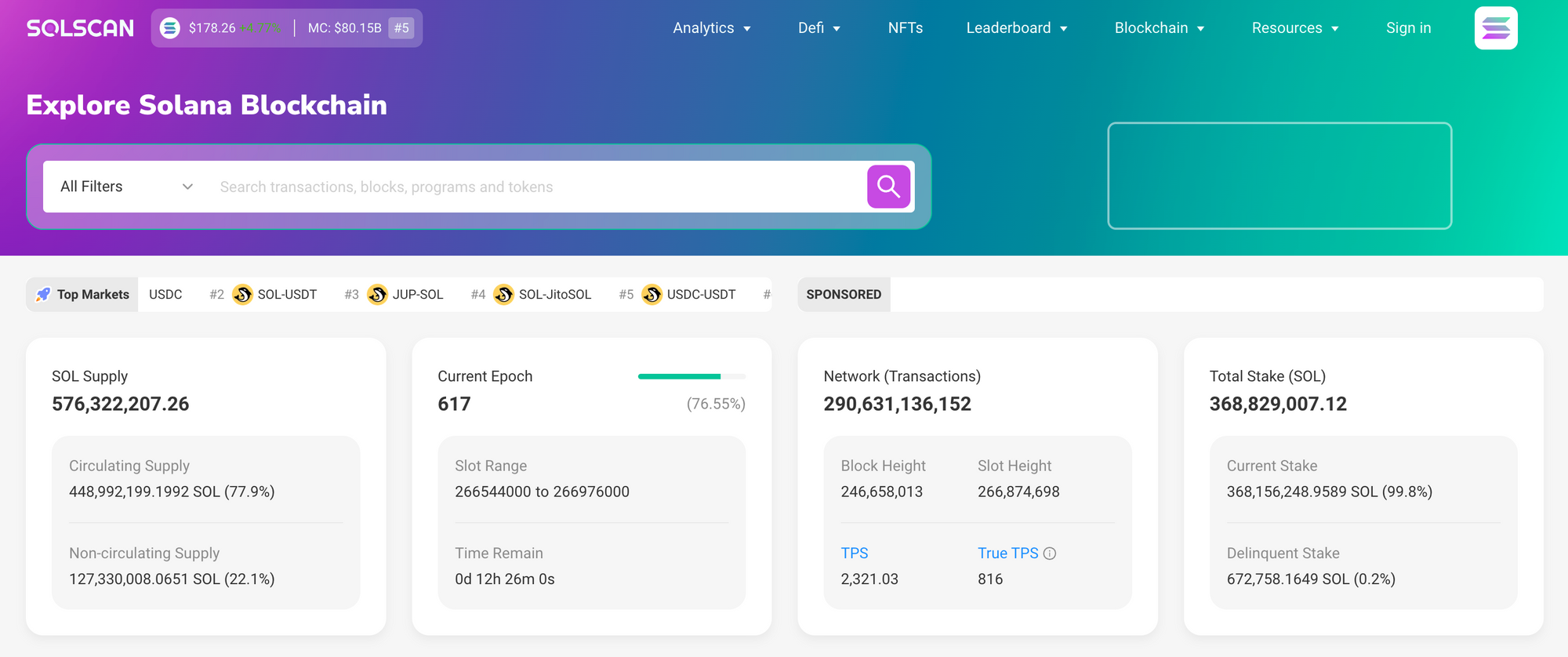
Hmm… this is my quick take. If you want to check it out, head to the solscan explorer official site. That page shows the NFT tracker and the real-time dashboards most collectors use. On my first walkthrough I bookmarked filters for verified creators, suspicious mints, and wallets that were flipping within minutes, which saved me hours and several bad trades. I’m biased, but that saved me time and money.
Okay, so check this out— the tracker also provides token lineage and schemata for editions and compressed NFTs. You can export transaction lists, set watchlists tied to wallets and collections, and save those queries for later. On one hand the UI is straightforward, though actually under the hood the data model accommodates compressed NFTs, lazy mints, and off-chain metadata which complicates indexing but improves accuracy over time. I dug into a messy drop where metadata was patched twice and saw how Solscan’s timeline and transaction history cleared up who changed what and when, which mattered for attribution disputes later.
Wow, it’s surprisingly practical. Collectors: bookmark wallets, set alerts for new mints, and follow secondary sales closely. Developers: use the insights to track mint success and royalty flows. Teams planning drops should simulate gas patterns, monitor mint queue behavior, and run spot checks on metadata reveal timing to avoid surprises that could tank a launch. Also, keep an eye out for duplicated creators and lookalike projects to avoid falling into pump-and-dump traps.
I’ll be honest, this part bugs me. The data is powerful but not infallible; vet things yourself. Sometimes metadata is missing or delayed and that throws off simple heuristics. Initially I thought automation could handle all flags, but then realized human review and community signals are still essential for spotting coordinated wash trading and spoofing on Solana markets. So use Solscan’s NFT tracker as a fast, smart lens, not a crystal ball, and pair it with community channels, contract inspection, and a little skepticism before committing funds.
Common questions I get
How trustworthy is on-chain labeling and metadata?
Seriously, check contract addresses first. Using the NFT tracker helps, but verify the mint authority and metadata changes. Something felt off about a recent collection where the creator address changed post-drop, and that required deep transaction tracing to establish actual provenance and rightful royalty routing.
Can this replace manual due diligence?
Can you trust the on-chain labels? Mostly yes, but not always. Use the tracker alongside community verification and contract inspection to reduce false positives and protect your buys.
